
Tara Mandala
Five Constellations
DrishyAM is organised around five Tara Mandala, or Constellations. Each has its own centre of gravity, its own ways of making, learning and gathering. Together, they reflect the many ways in which human beings create, remember, imagine and make meaning.
They are not intended as sealed departments. A dancer may find herself working with a filmmaker. A writer may sit with an artisan. A musician may collaborate with a designer. A child who comes to learn may discover something entirely different from what they expected.
The Constellations provide a structure. What happens within and between them is where DrishyAM begins to take shape.
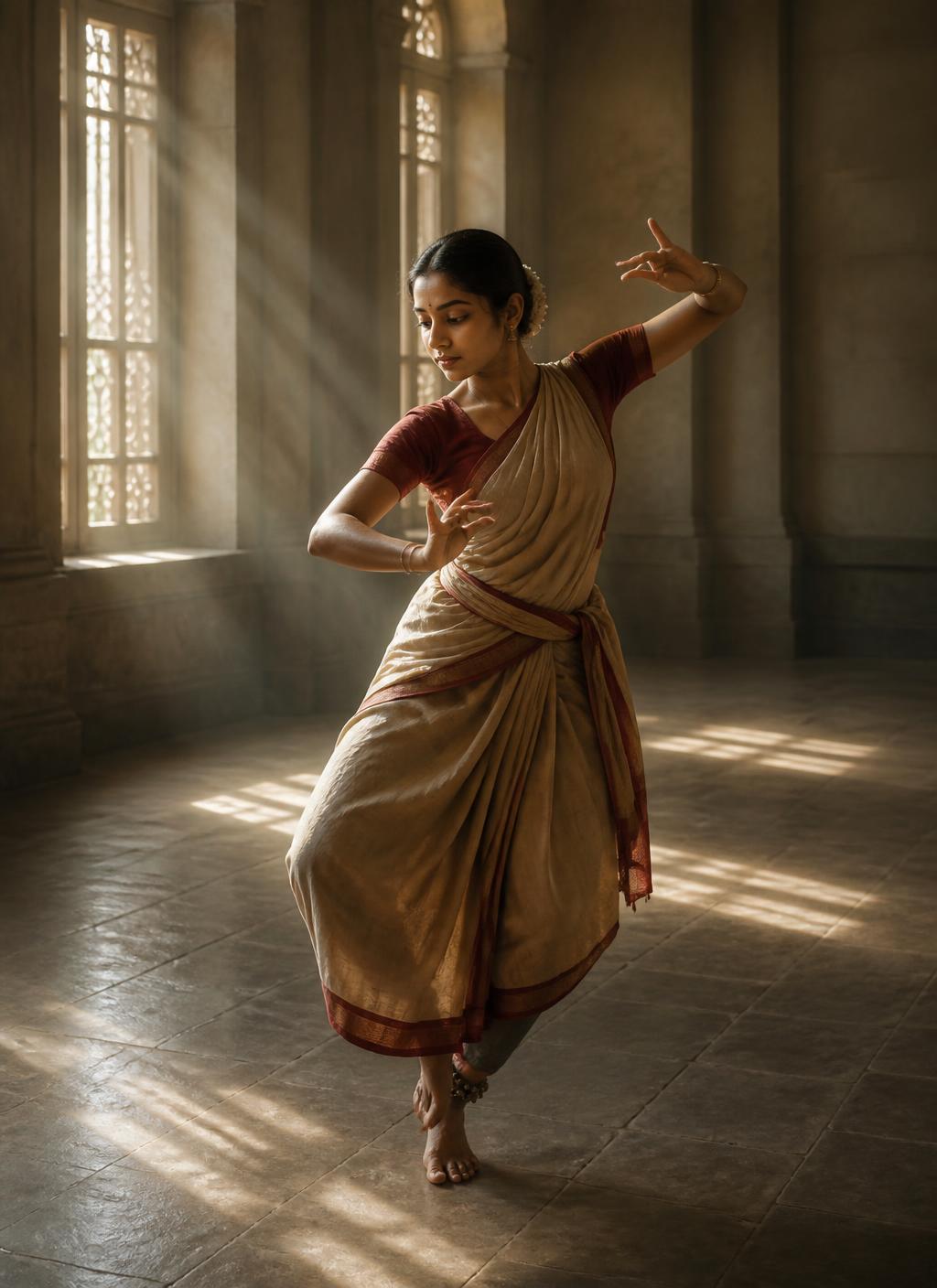
Nṛtta
The body in motion
Dance · Music · Theatre · Performing traditions
Nṛtta is the home of performance. Here, the body becomes an instrument of knowledge. Movement is learnt slowly: through repetition, discipline, observation and practice. A gesture carries history. A rhythm contains memory. What may appear effortless on stage is often the result of years spent learning how to listen: to the body, to music, to space, and to those who came before.
Nṛtta brings together dance, music, theatre and other performing traditions. It is a place for learning from masters, for rehearsal and experimentation, for performances large and small, and for conversations about the changing life of the performing arts.
It also makes room for what happens when forms meet. Classical and contemporary practice. Established artists and young performers. Training and improvisation. Performance and process.
Nṛtta asks not only how we perform, but what performance allows us to know.
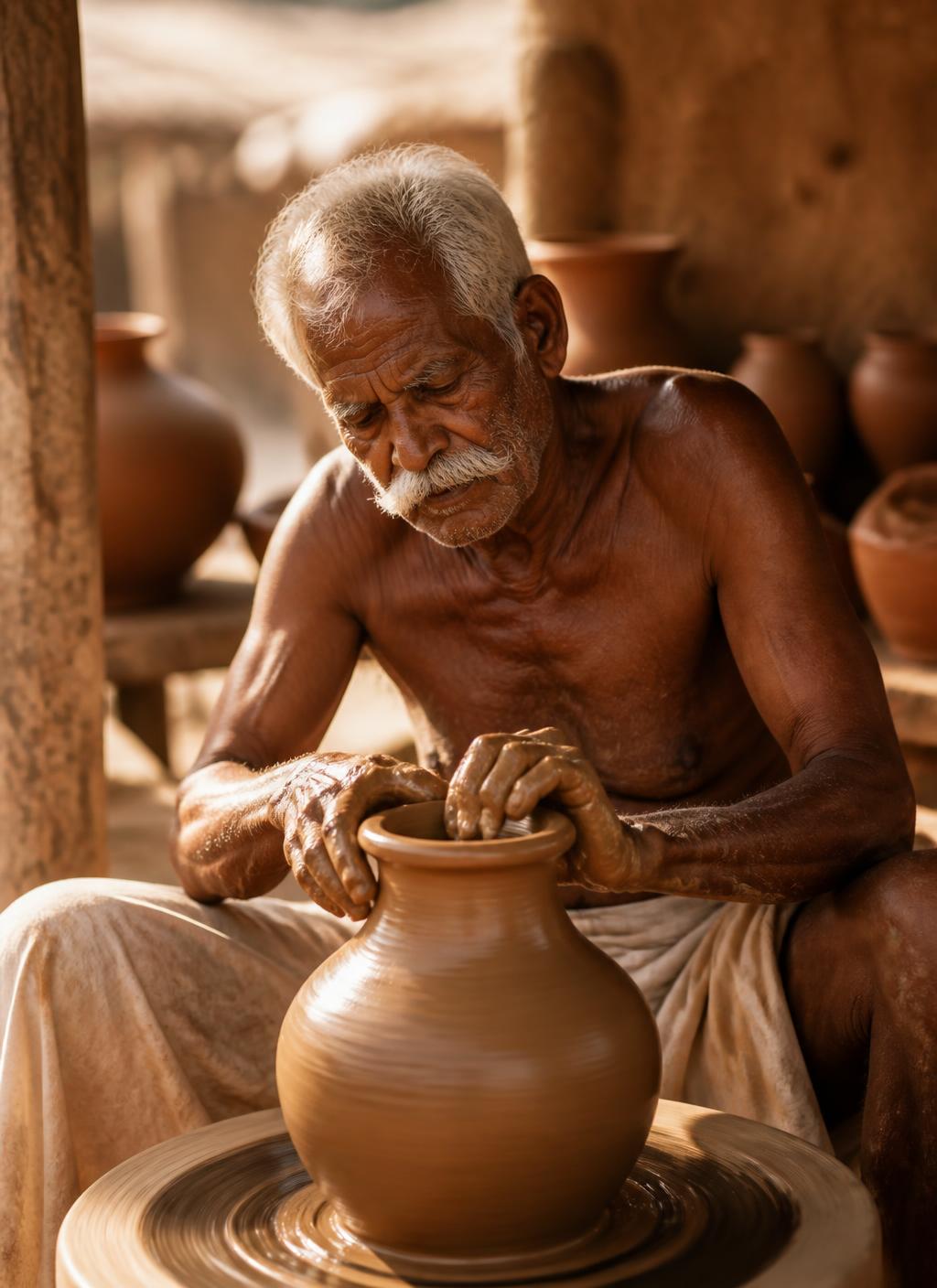
Kalā Kuśala
The intelligence of the hand
Craft · Material practice · Design · Livelihoods
There are things that can only be learnt by doing. How much pressure to apply. When to wait. When a material is ready. How to recognise the moment when something is beginning to take shape.
Kalā Kuśala is dedicated to the knowledge held in the hands of artists and artisans. It is a place for making: for craft traditions, material practices, design and experimentation. Established practitioners can pass on skills developed over decades, while younger makers explore what those skills might become in new contexts. The work may involve canvas, clay, fibre, glass, wood, metal, rock, pigment, paper, textile, or materials yet to find their place.
But Kalā Kuśala is concerned with more than the finished object. It is interested in process: in the relationship between maker and material, between inherited knowledge and contemporary practice, between skill and livelihood. For many artisans, the survival of a tradition depends not simply on whether the knowledge is passed on, but whether a life can be made from it.
How do we keep knowledge alive? And how do we ensure that the people who hold it can continue to live by their work?
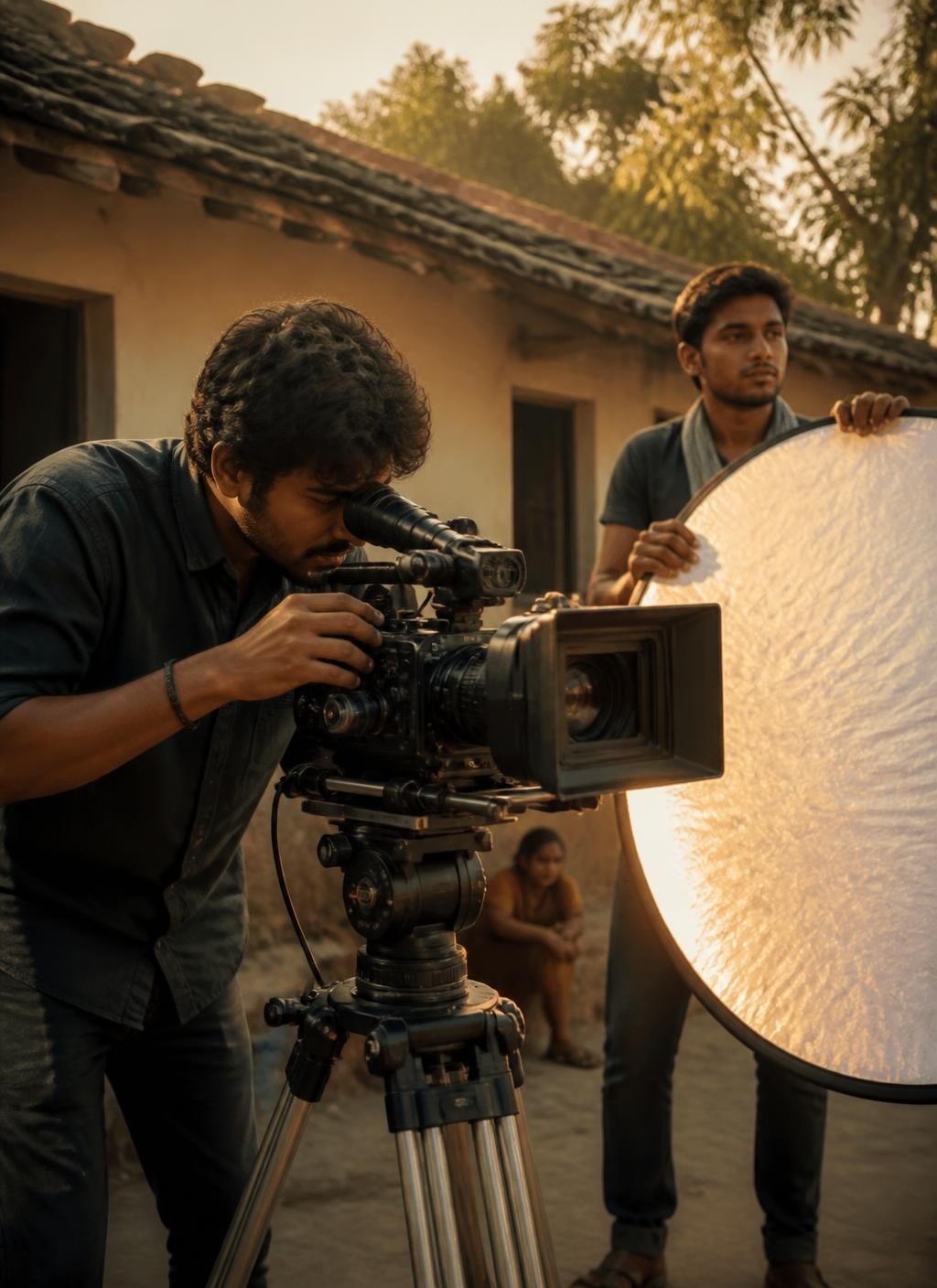
Chitra Vihāra
Images in motion, ideas in form
Film · Photography · Animation · Digital media
Chitra Vihāra is DrishyAM’s space for the visual and moving image. It brings together film, photography, animation, digital media and other visual practices, alongside the technologies that continue to change how we see, record and imagine the world.
It is a place to watch and to make. To encounter cinema not only as entertainment, but as an art form and a way of thinking. To learn the craft behind an image. To experiment with new tools. To tell stories that might otherwise go unheard.
Chitra Vihāra will bring established practitioners and emerging creators into conversation, creating opportunities for learning, collaboration and new work.
The screen may be one part of this world. The question of how we see is another.
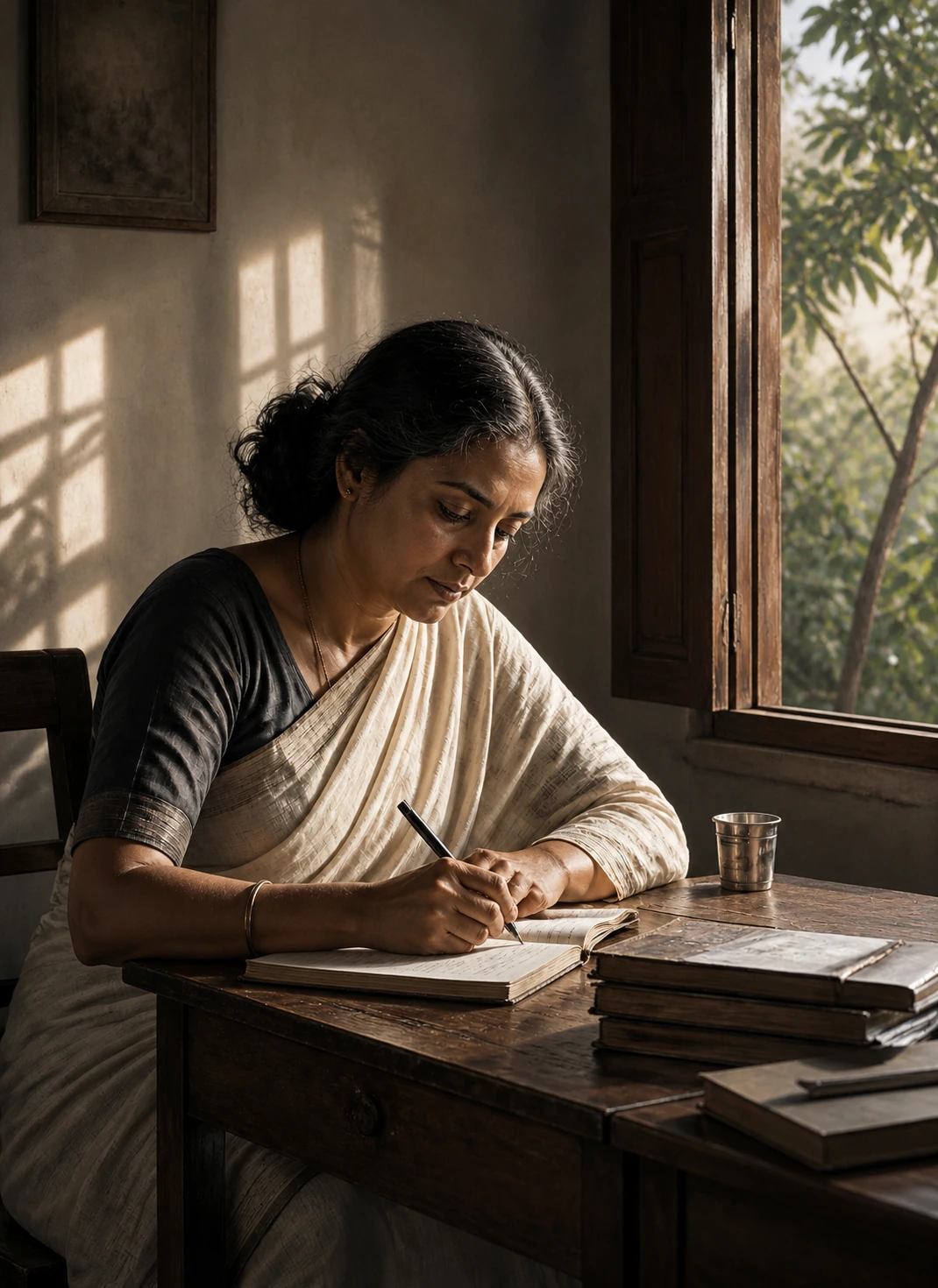
Sāhitya
The life of language
Poetry · Prose · Translation · Oral traditions · Archives
Sāhitya is a home for literature, language and the spoken and written word. It brings together writers, poets, translators, storytellers, readers and listeners.
Here, writing can happen in solitude, but it does not have to remain solitary. A poem can be read aloud. A manuscript can be discussed. A story can travel from one language into another and emerge changed by the journey.
Sāhitya makes room for the many lives of language: oral traditions and contemporary writing, regional languages and translation, the printed page and new forms of storytelling. It is a place for readings and conversations, workshops and residencies, libraries and archives.
And, perhaps most importantly, for the simple act of people coming together around words.
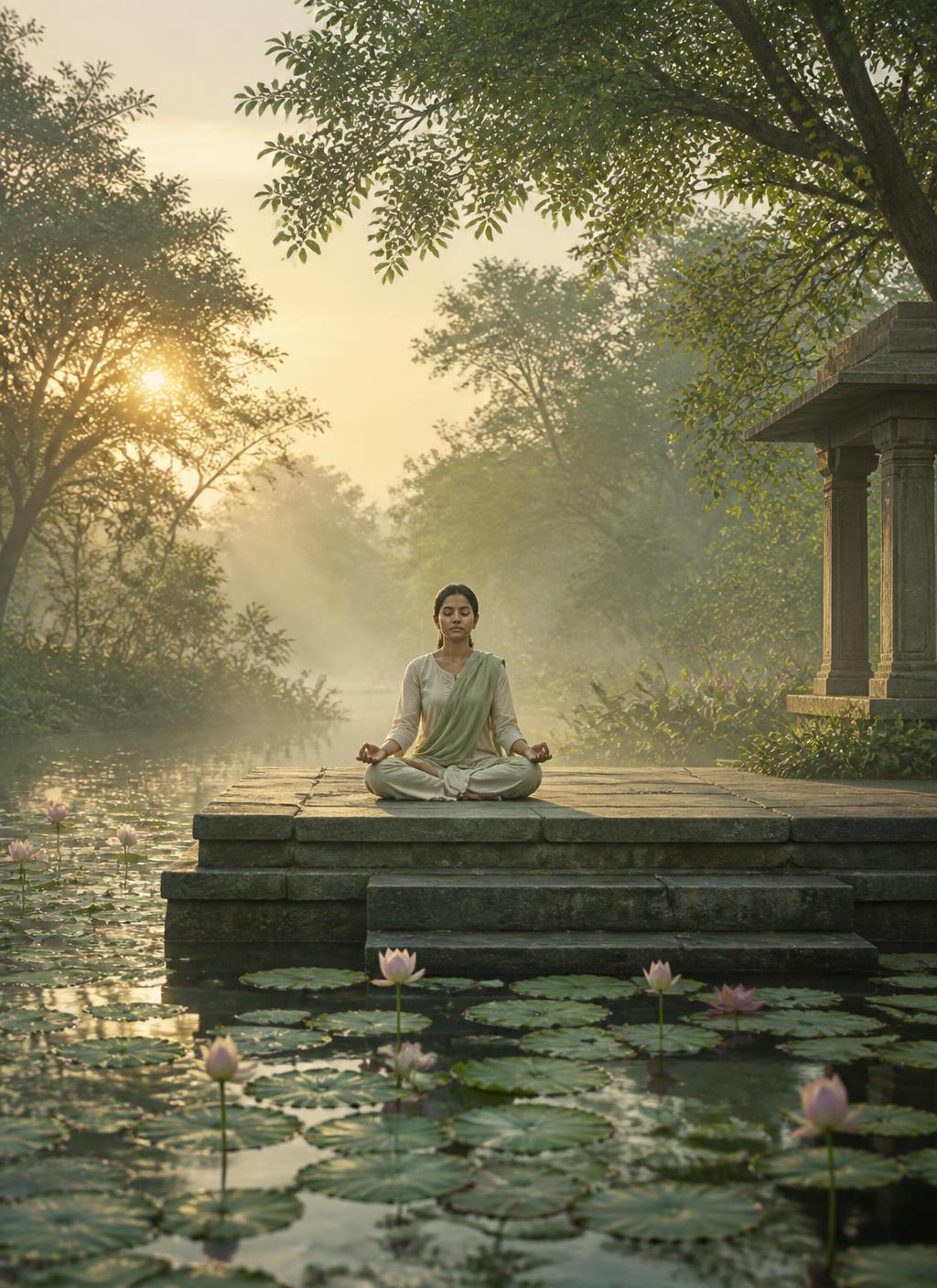
Svasti · Prakṛti · Vijñāna
The art of living well
Movement · Ecology · Food · Contemplation · Science
Creativity asks much of us. Attention. Energy. Stillness. Resilience. Curiosity. And sometimes, the ability to pause: to look inward, and to look outward.
Svasti brings together wellbeing, nature and scientific inquiry, exploring the relationship between the individual, the community and the living world we share. It is a space for movement and stillness, reflection and discovery, where traditional knowledge can meet contemporary thought, and lived experience can meet scientific understanding.
Here, wellbeing is not separate from the world around us. The health of the body is connected to the mind. The mind is connected to community. Community is connected to nature. And our future depends on how deeply we understand that connection.
Through movement, food, ecology, contemplative practices, conversations, observation, experimentation and engagement with the natural world, Svasti creates opportunities to learn how we live, and how we might live better. A place where a child can wonder, a scientist can inquire, a practitioner can share, and a community can learn.
Svasti is where wellbeing meets Prakṛti, and curiosity meets Vijñāna.
One place. Many ways of knowing.
A filmmaker may document a disappearing craft. A poet may work with a dancer. An artisan may collaborate with a designer. A musician may find a new audience. A child may arrive for one class and leave having discovered another world entirely.
Not simply a collection of disciplines under one roof, but a place where different forms of knowledge can encounter one another. Where something inherited can be practised. Where something practised can change. And where, in the exchange between people, new work can begin.